
Key Takeaways
Popular pool renovation upgrades focus equally on aesthetic renewal and functional performance improvements. Homeowners most often prioritize interior surface replacements, updated tile and coping and deck resurfacing to address visible wear and safety concerns. At the same time, modern pool remodel projects frequently include equipment upgrades such as variable-speed pumps, improved filtration, efficient heating systems and automated controls to reduce energy use and simplify maintenance. Together, these upgrades reflect current homeowner priorities: longer-lasting materials, lower operating costs, easier system management and pools that align with modern usability and resale expectations.
A swimming pool is a great way to elevate the enjoyment of your home. But over time, wear and tear can affect the appearance, function and safety of your pool. If you feel like your pool is ready for a glow up, a remodel can allow you to upgrade to the latest features, technology and designs, making your pool feel new and fresh.
The following overview will help you understand the most popular pool renovation upgrades homeowners in the Peachtree Corners have been choosing this year.
One of the most common reasons homeowners pursue a pool renovation is surface deterioration. Plaster discoloration, rough textures, staining and visible cracking are not just cosmetic issues. They signal age, material breakdown and, in some cases, water chemistry stress that affects long-term performance.
For many pool remodels in Peachtree Corners, interior finish replacement is the primary upgrade everything else builds on. It sets the visual tone of the pool while directly influencing durability, maintenance demands and how the water appears under natural light.
 Aggregate finishes, particularly pebble-based surfaces, are currently the most popular interior upgrade in pool renovation projects in the Peachtree Corners area. Homeowners choose these finishes because they last significantly longer than traditional white plaster and resist staining and etching more effectively.
Pebble finishes use small stones bound in cement, creating a textured surface that holds up well in high-use pools. While the texture is slightly rougher than plaster, most homeowners accept the tradeoff in exchange for longevity and color stability. These finishes also allow for deeper, more natural-looking water tones, which is a major reason for their popularity.
Quartz finishes remain popular for homeowners who want a smoother surface feel while still improving durability over basic plaster. These finishes blend crushed quartz into a cement base, producing a more refined appearance and increased resistance to chemical wear.
Quartz surfaces are commonly selected in pool remodel projects where comfort and visual consistency matter more than maximum lifespan. They offer:
While quartz finishes do not typically last as long as pebble aggregates, they strike a balance between performance, appearance and cost.
Modern pool renovation projects place more emphasis on water color than surface color alone. Interior finishes now drive the final water appearance, especially in pools with minimal tile contrast.
Neutral grays, soft blues and earth-toned aggregates are currently the most requested options. These tones produce water colors that appear natural rather than artificial and tend to photograph well.
Tile and coping connect the pool structure to the surrounding water and deck, which makes them both highly visible and functionally important. In a pool remodel, these components are rarely upgraded for appearance alone. Most replacements are driven by material failure, outdated profiles or changes in how you use the pool area.
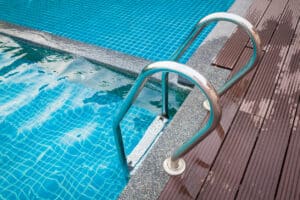 Waterline tile is one of the most frequently replaced elements in a pool renovation. Over time, tile lines develop calcium buildup, staining and grout deterioration that cannot be fully corrected with cleaning. Older tile styles also tend to date the entire pool, even when the structure itself remains sound.
Current pool remodel trends favor:
Glass tile remains popular in select applications, particularly for homeowners prioritizing visual impact. However, porcelain dominates current renovation projects because it balances appearance, cost control and long-term performance.
Functionally, modern waterline tile resists chemical exposure better than older materials and simplifies routine maintenance, which is a key reason homeowners choose to upgrade it during resurfacing.
Coping serves as the transition between the pool shell and the surrounding deck. In many older pools, coping materials crack, shift or separate as soil settles and decks expand. These issues can detract from the appearance of your pool and create safety concerns.
Popular coping materials in current pool renovation projects include:
Tile and coping upgrades often address safety concerns that were not prioritized in older pool designs. Slip resistance, heat absorption and edge comfort are now standard evaluation points during a pool renovation.
Material selection increasingly accounts for:
The pool deck often shows signs of age before the pool itself becomes unusable. Cracking, surface erosion, discoloration and shifting slabs are common reasons for a broader pool renovation. Because the deck defines how the pool area functions day to day, deck upgrades remain one of the most popular and practical remodel decisions.
Concrete resurfacing remains the most common deck upgrade due to its flexibility and cost efficiency. Modern resurfacing systems allow existing slabs to be refinished without full removal, which reduces labor, disruption and waste.
Popular resurfacing options include:
These systems are popular because they address multiple concerns at once. A resurfaced deck can correct minor cracking, improve slip resistance and modernize appearance without the expense of full replacement.
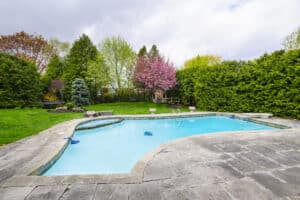 Paver decks continue to be popular in higher-end pool remodels. Individual pavers can be removed and reset if settling occurs, which is not possible with monolithic concrete.
Some of the most popular paver and stone decking materials include:
Stone and paver decks are often selected for their visual consistency with updated coping and waterline tile. These materials also support expansion and contraction better than poured concrete, which contributes to their ongoing popularity.
Deck upgrades increasingly prioritize surface temperature and slip resistance. Older decks often become uncomfortably hot in direct sun, limiting use during peak swim season. This issue is especially relevant in Georgia’s climate, where summer heat places sustained stress on exposed surfaces.
Popular deck materials now emphasize:
Many older pools continue to operate with original or near-original equipment long after it has become inefficient or unreliable. Pumps, filters, heaters and plumbing systems are often oversized, outdated or no longer supported by manufacturers. As a result, equipment upgrades are among the most popular functional improvements in a pool renovation.
Variable-speed pumps are now the most popular pump upgrade in pool renovation projects. Compared to single-speed pumps, they allow precise control over water flow and significantly reduce energy consumption.
Variable-speed pumps are a popular option because they:
 Filter performance directly affects water clarity and maintenance effort. Older sand and cartridge filters frequently struggle to keep up with modern usage patterns, especially when paired with aging pumps.
Popular filter upgrades include:
Pool heating upgrades have become increasingly popular because they help extend your swim season without excessive energy costs. Older gas heaters tend to be inefficient and prone to breakdowns.
Current pool remodel trends favor:
While not visible, plumbing upgrades play a significant role in modern pool renovation projects. Replacing undersized or poorly routed plumbing improves flow efficiency and supports upgraded equipment.
Common plumbing improvements include:
Automation has shifted from a niche upgrade to a standard expectation in many pool renovation projects. As equipment systems have become more efficient and interconnected, homeowners increasingly want centralized control rather than manual operation across multiple components.
Popular pool automation systems allow pumps, heaters, lights and water features to be managed from a single interface. This replaces manual timers, individual switches and mechanical controls that require frequent adjustment.
Centralized equipment control systems are a popular upgrade because they:
Most current automation platforms support mobile access, enabling you to adjust settings remotely without physical interaction with the equipment pad.
One of the primary reasons automation systems are popular in pool renovation projects is their ability to optimize energy use. Automated scheduling aligns pump speeds, heating cycles, and filtration run times more efficiently than manual operation.
Common scheduling capabilities include:
Automation systems also manage visual elements such as pool lighting, spa controls, and water features. This integration allows homeowners to group functions together rather than operating each element independently.
Popular uses include:
Modern automation platforms provide diagnostic feedback that helps you identify issues early. Alerts for temperature changes, equipment faults, or abnormal runtime reduce reliance on visual inspection alone.
In a pool remodel, automation adds value by making system performance more transparent. This visibility helps you respond to issues before they escalate into repairs.
Allen Pool Service has been the leading pool company in Peachtree Corners and throughout the Atlanta metro area since 1972. We provide comprehensive pool renovation services to help you elevate the enjoyment of your pool. Our team can customize your remodel plan to address your specific needs. We take pride in providing quality work at an affordable price that will enhance the beauty and function of your pool.
Contact us today to schedule a consultation. Allen Pool Service provides pool remodel services in Peachtree Corners and throughout the Atlanta area.
Please call (770) 451-1621 to for pool renovation, service, and winterization by Allen Pool Service in Atlanta.
Request Now