
Key Takeaways:
Opening a pool in spring requires evaluating several critical issues before the pool is safe to use. Pool owners should inspect the cover, shell and equipment for winter damage, check for leaks once the pool is refilled, test and balance water chemistry across five key parameters (pH, total alkalinity, calcium hardness, cyanuric acid and free chlorine), and monitor circulation and filter pressure during the first 24 hours of operation. Because missed issues can lead to equipment failure, structural damage or unsafe swimming conditions, spring pool opening is best handled by a qualified pool maintenance professional.
After months of sitting dormant throughout the winter, your pool needs more than just a quick look before you start using it again. Spring pool opening tasks play a critical role in your pool working properly and providing safe conditions for you and your family. This comprehensive, multi-step process requires technical expertise to ensure any potential issues that may have developed during the winter are addressed correctly before you begin using your pool again. Otherwise, you may end up with cloudy water, damaged equipment or a pool that isn’t safe to swim in. The following overview will help you understand the important issues that need to be evaluated during this process.
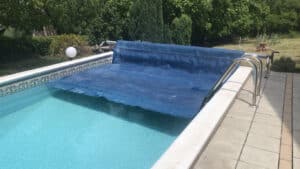 Clean off your pool cover. Leaves, standing water and debris that built up over winter can contaminate your pool the moment the cover comes off. Drain any water sitting on top, clear away debris and inspect the cover itself for tears or damage before storing it.
If your pool cover is damaged, you should order a new one right away. Waiting until fall to replace it increases the chances that you’ll forget.
Once the cover is off, give the pool a thorough once-over. What you’re looking for will vary slightly depending on whether you have an in-ground or above-ground pool.
Look along the walls and floor for cracks, chips or staining. Small surface cracks can worsen quickly if water gets in and freezes again during a late cold snap. Check the tile line for cracked or missing grout, and look at the coping (the material edging the pool) for any signs of shifting or damage.
Inspect the liner carefully for tears, holes or areas where it has pulled away from the wall. Even a small puncture can become a big leak once the pool fills. Check the frame, uprights and top rails for rust, bending or loose connections. Any structural weakness should be addressed before you add water.
Pool equipment doesn’t always survive winter without becoming damaged. Before you start using the equipment, make sure you carefully inspect the following components:
Don’t run the pump until the pool has water in it. Running it dry even briefly can damage the motor seal and impeller.
If water was partially drained for winter, now is the time to refill. Bring the water level back up to the middle of the skimmer opening, which is the normal operating level for most pools.
As the water fills, watch for any obvious leaks around fittings, return jets, the skimmer and the main drain. Once the pool is full and the equipment is running, check again. Some leaks only appear under pressure.
A slow drop in water level over 24 to 48 hours can indicate a leak in the shell, plumbing or equipment. If you suspect a leak, a professional leak detection service can pinpoint the source before you waste time and money chasing it.
 Getting your water chemistry right is one of the most important issues to address when opening your pool in the spring. Unbalanced water can damage your pool finish, irritate swimmers’ skin and eyes, and make your sanitizer far less effective.
Here are the key parameters to test and adjust:
Test in this order and let each adjustment work before moving on. Adding multiple chemicals at once can cause unpredictable reactions and throw your readings off further.
Once everything is up and running, the circulation system will tell you a lot about the condition of your pool. Clogged skimmer baskets or a dirty pump strainer are common culprits behind weak flow, and they’re easy to overlook if you’re not specifically checking.
Keep an eye on your filter’s pressure gauge during those first 24 hours. A reading that runs higher than your normal operating range usually points to a clogged filter or a blockage somewhere in the lines. Either way, it’s a sign the system is working harder than it should and needs attention before it strains the pump.
When issues are missed during the pool opening process, it can result in significant damage to your pool, potential safety issues and costly pool repairs during the summer. Working with a professional pool company will ensure all these critical pool maintenance items are addressed correctly and all issues that developed over winter are detected before you experience serious problems.
At Allen Pool Service, we’ve been Atlanta’s leading pool maintenance company since 1972. Our team of highly skilled and experienced technicians will provide the quality service you need when opening your pool this spring. Our goal is to provide a hassle free experience that improves your enjoyment of your pool all season long.
Contact us today to schedule an appointment. Allen Pool serves clients in Atlanta and the surrounding areas.
Please call (770) 451-1621 to for pool renovation, service, and winterization by Allen Pool Service in Atlanta.
Request Now